
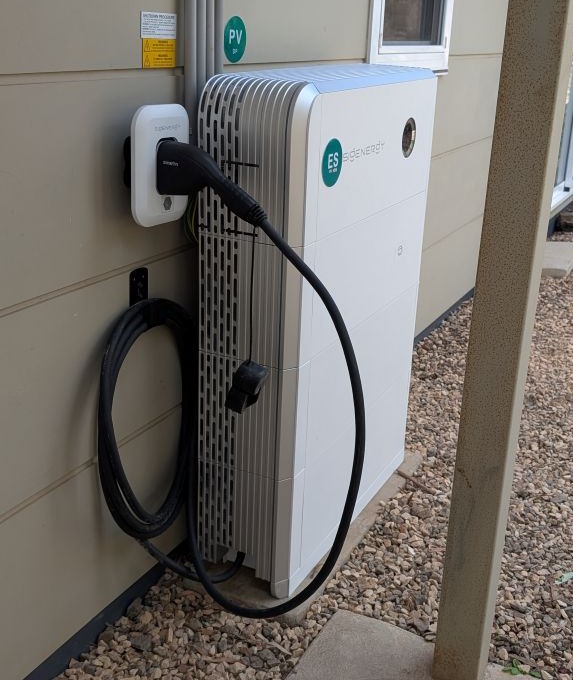
Going off-grid or staying connected? We’ve got Ballarat’s high-voltage solar batteries covered.
Whether you’re building an independent off-grid system or adding serious backup to your on-grid setup, high-voltage batteries are becoming the smart choice for modern homes.
Here’s what makes them different — and what you need to know before choosing one.
Why High-Voltage Batteries
1. More Efficiency, Less Wastage
With high-voltage batteries, you move energy around with a lot less current.
To give you an idea:
- A 10kW load at 400V only pulls about 25 amps.
- The same 10kW at 48V would pull over 200 amps!
Less current means less heat loss in cables, thinner wiring, and better energy efficiency overall.
Plus, because the voltage matches modern inverters, you often skip extra conversion steps — meaning you get even more usable power out of your system.
2. More Power Without Overloading Gear
High-voltage systems aren’t just more efficient — they’re tougher.
They handle big household loads better, like:
- Air-conditioners
- Pool pumps
- Fast EV chargers
- Big family homes with lots of appliances running at once
Because you’re running higher voltage and lower current, your system doesn’t strain as much when demand spikes.
That also means your batteries stay cooler and last longer.
3. Smarter Setups with Less Mess
Modern hybrid inverters — the ones designed for solar and battery together — are built to run on high-voltage batteries.
These systems work cleanly without the need for bulky DC converters or fat battery cables.
The end result?
- Neater installations
- Smaller cabling
- Fewer parts to go wrong
- Better looking and better working systems
If you’re planning to upgrade your home or build new, starting with a high-voltage setup just makes sense.
4. Using the Same Tech as Electric Cars
High-voltage home batteries use the same rugged lithium cells as electric vehicles.
They’re tough, energy-dense, and made for serious daily cycling.
Most high-voltage setups are modular too — you stack battery modules together until you reach the capacity and voltage you need.
That’s great for customising systems around Ballarat’s bigger homes, farms, or rural setups.
Things to Watch Out For
1. Safety First — These Systems Are Serious
High-voltage batteries aren’t something to DIY.
Anything over 120V DC is dangerous — it can cause serious shocks or fires if not handled properly.
That’s why:
- Installations must use proper DC isolators, fuses, and arc fault protection
- Systems need to meet strict standards (like UL 9540 and NEC 2020)
- Only licensed electricians should install or service high-voltage batteries
At 400V or more, the safety bar is higher — and that’s a good thing.
It protects your home, your family, and your investment.
2. Battery Management Systems Are a Bit More Complex
In high-voltage setups, your batteries aren’t just a few big blocks.
They’re made up of hundreds of cells wired in series.
That means:
- Every cell needs monitoring
- Temperatures must stay balanced
- Charge levels must be managed tightly
The built-in Battery Management System (BMS) does all this automatically — but it’s much more sophisticated than what you find in 48V systems.
A good BMS is critical to keeping your system healthy over the long haul.
3. Your Battery and Inverter Must Speak the Same Language
Not every inverter can handle every battery voltage.
If the battery voltage is too low, your inverter won’t start properly.
If it’s too high, you could risk damaging your equipment.
The good news? Most new hybrid inverters are designed for high-voltage batteries — working perfectly between 150V and 600V (or even higher).
You just need to make sure your chosen inverter and battery are matched correctly when your system’s designed.
(And don’t worry — that’s something we take care of for you.)
4. Expansion Isn’t as Simple as It Used to Be
With 48V systems, adding more batteries later was pretty straightforward — just chuck another one on the bus.
With high-voltage systems, it’s a bit trickier:
- You often need to add a full extra battery stack
- You must stay within your inverter’s limits
- Some brands limit how many stacks you can parallel
If you’re planning to expand your system later (say, for EV charging or bigger loads), it’s important to design it properly from day one.
5. Higher Upfront Cost, But Smarter Investment
Yes, high-voltage batteries usually cost more upfront than traditional low-voltage ones.
That’s because they:
- Have more sophisticated BMS and safety gear
- Need higher-rated cables and isolators
- Must meet stricter certifications
But over the life of the system, you get:
- Higher efficiency
- Better performance
- Lower maintenance
- More usable solar energy
In other words, you get what you pay for — and over 10–15 years, it usually works out cheaper per kilowatt-hour delivered.
Quick Pros and Cons at a Glance
| Why People Choose High-Voltage | Things to Consider |
|---|---|
| Lower energy loss and smaller cabling | Needs professional installation and setup |
| Bigger system power and faster response | More complex battery management |
| Works directly with modern hybrid inverters | Expansion takes more planning |
| Rugged, EV-grade lithium cells | Higher initial system price |
Is a High-Voltage Battery Right for You?
High-voltage solar batteries are a smart move if:
- You’re running a large solar system (5kW and up)
- You want to add an EV charger down the track
- You’re building a modern hybrid or three-phase solar setup
- You want the cleanest, most efficient setup you can get
For small off-grid cabins, sheds, or tiny homes, 48V systems still do the job nicely.
But for Ballarat homes getting serious about solar energy, high-voltage is the way forward.
We’re here to help design the right setup — whether you’re off-grid, on-grid, or somewhere in between.